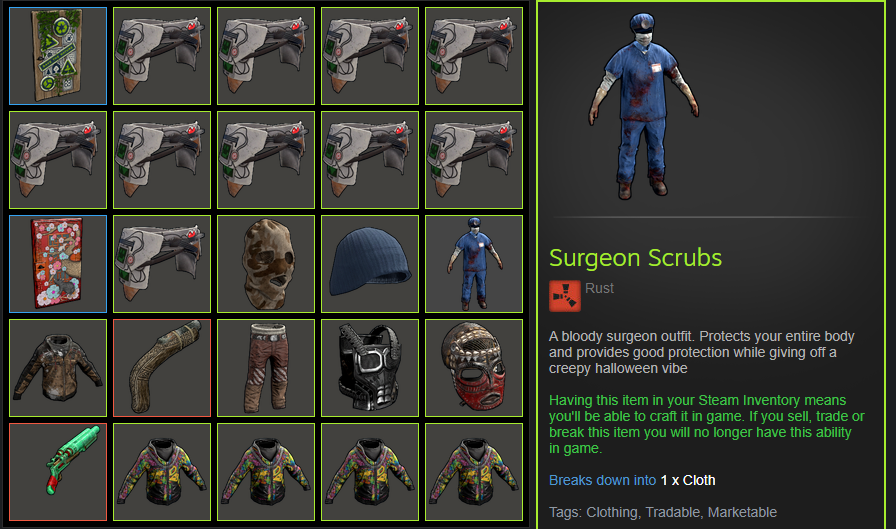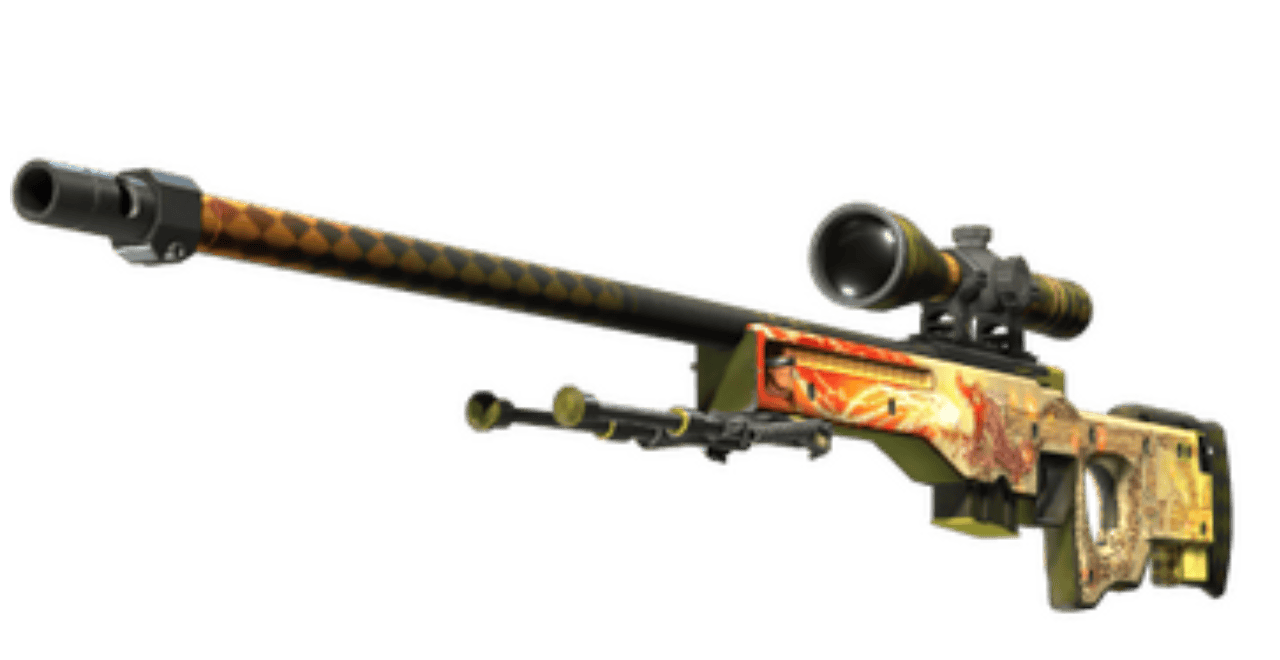


Rust skins allow players to customize the appearance of their weapons, clothing, tools, and building items.
While skins do not provide gameplay advantages, they are extremely popular because they let players personalize their gear and stand out on the battlefield.
Some skins are inexpensive cosmetic upgrades, while others have become highly valuable collectibles in the Steam Market.
If you recently obtained a skin through the Steam Market, a drop, or a trade, the next step is applying it to the correct item in the game. This guide explains how to apply Rust skins and how the skin system works.
Table of Contents
How to Apply Rust Skins
Applying a Rust skin is a simple process once the skin is in your Steam inventory. The game automatically recognizes skins linked to your account and allows you to use them whenever you craft or interact with the corresponding item.
To apply a Rust skin, follow these steps:
Start Rust and join a server where you want to use your skins.
Craft the weapon, tool, or clothing piece that the skin belongs to.
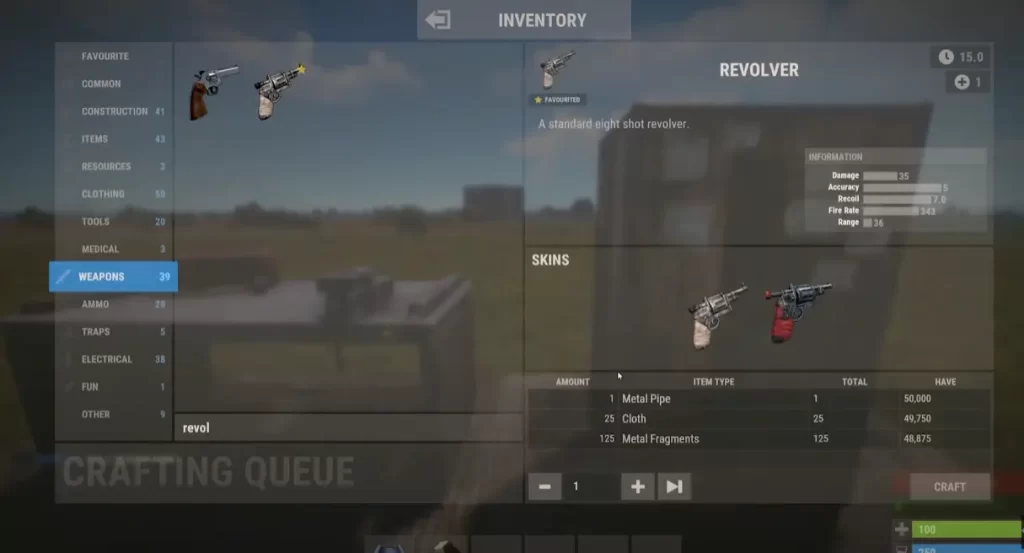
Open the crafting menu or item selection interface where available skins can be selected.
Choose the skin you want to use before crafting the item so the cosmetic appears on the finished item.
When multiple skins exist for the same item, the crafting menu usually displays a small icon or arrow that lets you cycle through available skins. Once you select a skin and craft the item, the item will appear in your inventory with that cosmetic applied.
This system works for many types of items, including weapons, clothing pieces, tools, and some deployables.
Applying Skins Using the Repair Bench
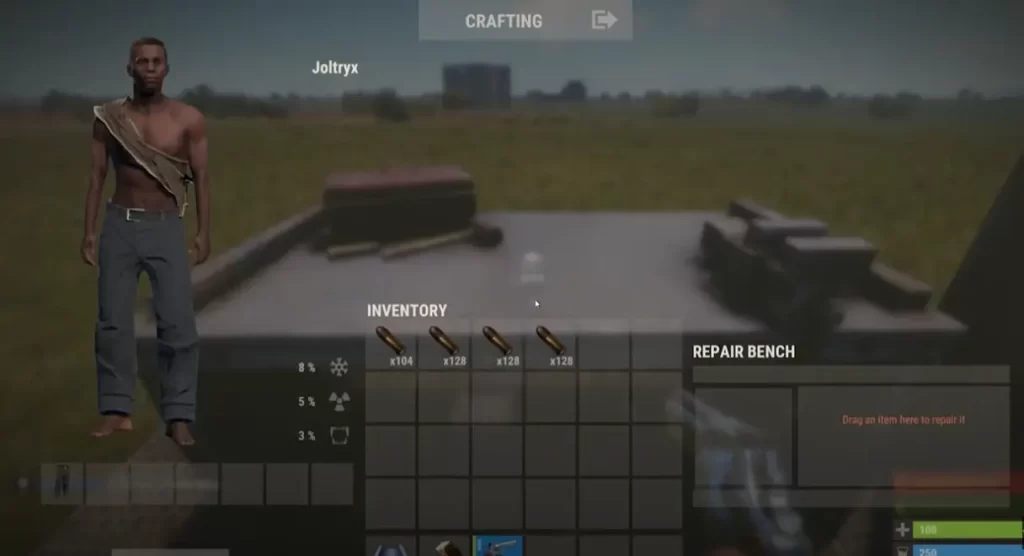
Another common way to apply Rust skins is by using a repair bench. This method is useful if you already crafted an item and want to change its appearance afterward.
To apply a skin with a repair bench:
Craft and place a repair bench in your base, or locate one that already exists on the server.
Interact with the repair bench to open its interface and access the reskin options.
Place the weapon, tool, or clothing piece you want to reskin into the repair bench slot.
Choose the skin you want from the list of available cosmetic options.
Confirm the action to apply the selected skin and update the item’s appearance.
The repair bench will update the item’s appearance without changing its functionality. This method is frequently used by players who want to customize weapons or gear they already own.
Do Rust Skins Affect Gameplay?
Rust skins are purely cosmetic. They do not change weapon damage, durability, or any gameplay mechanics. Whether you use a default skin or a rare one, the item will perform exactly the same.
However, skins can still influence the player experience in other ways. Some skins make weapons look more distinctive, while others are designed to blend with certain environments.
Players also use skins to express their style or to collect items with unique artwork.
Because skins are tradable through Steam, they also have a small in-game economy attached to them.
How to Get Rust Skins
There are several ways to obtain Rust skins:
Purchase Rust skins directly from the Steam Market where players buy and sell cosmetic items.
Buy new skins released in the official weekly Rust store rotation.
Receive skins occasionally as drops while playing Rust on official servers.
Trade skins directly with other players through Steam’s trading system.
Some skins are extremely common and cost very little, while others are rare collectibles released in limited quantities.
Summary
Applying Rust skins is a straightforward process that allows players to customize the appearance of their items.
Skins can be applied during crafting or later through a repair bench, depending on your preference.
While they do not affect gameplay performance, skins remain one of the most popular cosmetic features in Rust because they let players personalize their gear and participate in the game’s active trading economy.
FAQs
Can you apply Rust skins after crafting an item?
Yes, you can apply skins after crafting by using a repair bench. Simply place the item inside the repair bench interface and select one of the skins available in your inventory.
Do Rust skins provide gameplay advantages?
No, Rust skins are purely cosmetic. They only change the appearance of items and do not affect damage, durability, recoil, or any other gameplay mechanics.
Why can’t I see my Rust skins in the crafting menu?
If your skins do not appear, make sure they are in your Steam inventory and that you are crafting the correct item. Some servers may also restrict certain skins depending on their settings.
Can you trade Rust skins with other players?
Yes, Rust skins can be traded through Steam. Players commonly trade skins directly with each other or buy and sell them on the Steam Community Market. You can also use Tradeit.
What items in Rust can have skins applied?
Many items in Rust support skins, including weapons, clothing, tools, doors, and some deployables. Each skin is designed for a specific item and can only be applied to that item type.