
In Rust, base design is one of the most important factors that determines whether your team survives a wipe or gets raided early.
For trio teams, the challenge is balancing security, storage, and efficiency while keeping the base affordable to build and maintain. The best trio base designs focus on strong defensive layers, efficient use of space, and smooth movement between key areas.
This guide explains what makes a great trio base and outlines a reliable structure that many experienced players use.
Table of Contents
What Makes a Good Trio Base?
A trio base should be designed for three players who gather resources, defend the base, and expand together. Unlike solo bases that prioritize compactness or large clan bases that emphasize scale, trio bases must strike a middle ground.
The key qualities of a strong trio base include:
Multiple defensive layers slow down raiders and increase the cost of attacking your base.
Separate loot rooms reduce the risk of losing all your resources in a single raid.
Smooth movement between floors and key areas allows teammates to react quickly during fights.
Strong roof access lets defenders watch their surroundings and fight attackers effectively.
Reasonable upkeep costs ensure a small team can maintain the base throughout the wipe.
Because raids in Rust often rely on explosives like rockets and C4, spreading out important rooms and forcing raiders through several doors can significantly increase the raid cost.
Core Layout for a Trio Base
The core of the base should be compact but heavily protected. A common and effective structure uses a triangle core with honeycomb protection.
The core typically contains:
The core building privilege that protects the base and stores upkeep resources.
A secure storage area where valuable items, weapons, and resources are kept.
A small sleeping space with bags so teammates can quickly respawn during raids.
Provides a pathway to higher levels of the base for expansion and defense.
This layout keeps the most valuable items protected by several walls or doors. The tool cupboard should be surrounded by multiple layers of protection so raiders cannot easily take control of the base.
A triangle core also makes it easier to expand the base later while keeping the footprint relatively small.
Honeycombing for Extra Protection
Honeycombing is essential for any trio base in Rust. This technique adds extra wall layers around the core to increase the number of explosives required to reach valuable rooms.
For a trio base, a single or double honeycomb layer usually provides enough protection without making the base too expensive to maintain.
Key tips for effective honeycombing include:
Using triangle honeycombs helps reduce weak angles and strengthens the outer defensive layer.
Upgrading exterior walls to stone or metal early makes the base far more resistant to raids.
Always orient walls correctly so attackers cannot exploit the weaker soft side.
Even basic honeycombing can double the raid cost, making attackers think twice before targeting your base.
Door Path and Internal Defense
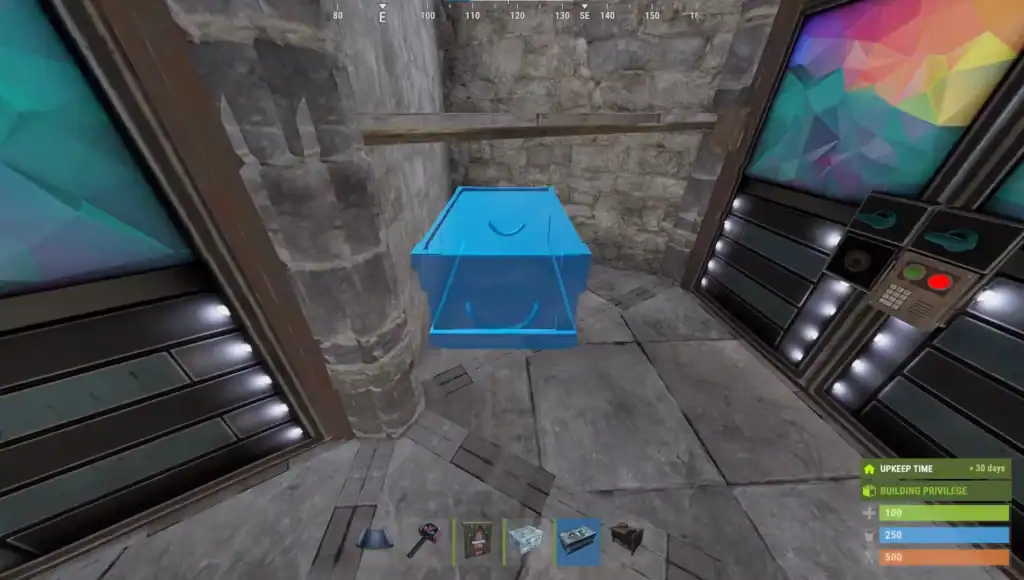
A well-designed trio base uses a smart door path to protect loot and delay raiders.
Instead of placing loot directly behind one door, create a winding path of multiple doors and airlocks. This forces raiders to spend extra explosives or waste time breaking doors individually.
Good door path practices include:
Using garage doors adds strong internal protection while remaining cost-efficient to build.
Airlocks prevent enemies from rushing into the base if a door is opened or destroyed.
Splitting loot across several rooms reduces the risk of losing everything in a single raid.
Garage doors are particularly effective because they offer high durability for relatively low material cost.
Roof Access and Shooting Floor
Roof control can determine the outcome of many fights in Rust. A trio base should include a shooting floor or roof access point so defenders can engage enemies outside the base.
A typical setup includes:
Windows or embrasures allow defenders to shoot safely while maintaining protection.
Raised roof peaks provide better visibility and improved angles when defending the base.
Safe internal access ensures players can reach the roof quickly without exposing themselves.
This allows the team to defend against raiders, counter nearby fights, and scout the surrounding area.
Just remember to secure roof entrances with doors or hatches so enemies cannot easily take control.
Expandability and Maintenance
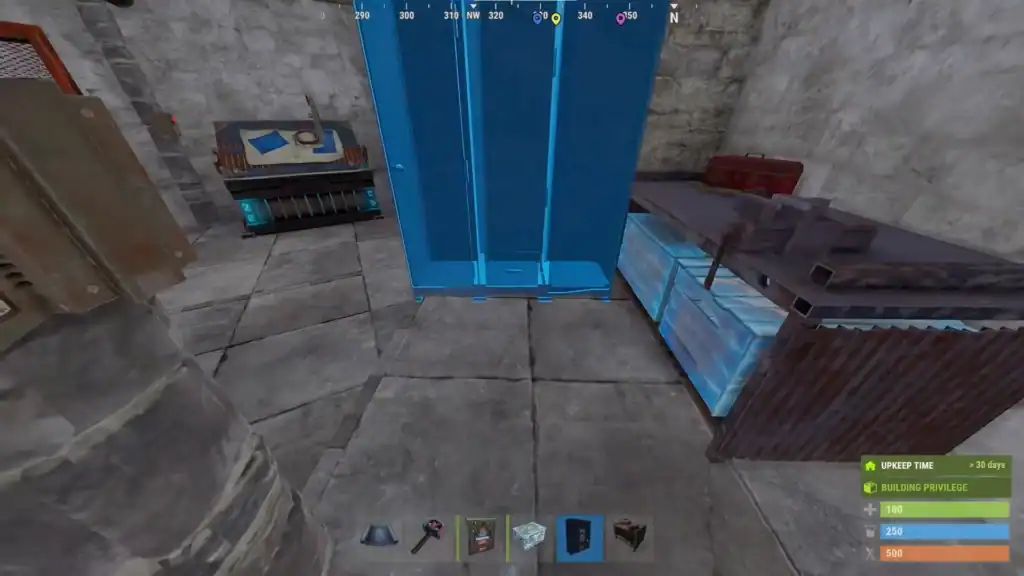
A good trio base design should allow for easy expansion as your team progresses through the wipe. Early on, the base may only be a small stone structure, but it can later grow to include:
Windows or embrasures allow defenders to shoot safely while maintaining protection.
Raised roof peaks provide better visibility and improved angles when defending the base.
Safe internal access ensures players can reach the roof quickly without exposing themselves.
However, upkeep cost should remain manageable. Trio teams typically gather fewer resources than large clans, so an overly massive base can quickly become difficult to maintain.
Summary
The best trio base designs in Rust focus on efficient defense, smart layout, and controlled expansion. By using a protected core, honeycomb layers, strong door paths, and roof control, a trio team can significantly increase its chances of surviving raids.
While no base is completely raid-proof, a well-built trio base forces attackers to invest significant resources, often encouraging them to choose an easier target instead.
FAQs
What is the best base shape for a trio in Rust?
The best base shapes for trio teams in Rust are triangle or hexagon-based layouts. Triangle cores are especially popular because they allow efficient honeycombing and make it harder for raiders to predict the exact location of the tool cupboard and main loot rooms.
How big should a trio base be in Rust?
A trio base should generally stay medium-sized. It needs enough space for loot rooms, sleeping bags, furnaces, and defensive floors, but it should not become so large that upkeep becomes difficult. Many successful trio bases use two or three floors with honeycombing and a shooting floor.
How many doors should a trio base have?
A good trio base usually includes multiple doors arranged in a winding path to slow raiders. Instead of protecting loot with a single door, players often use several sheet metal or garage doors in sequence. This increases the raid cost and makes the base less appealing to attackers.
Is honeycombing necessary for trio bases?
Yes, honeycombing is one of the most important defensive techniques in Rust base building. Adding extra layers of walls around the core forces raiders to use more explosives to reach valuable rooms. Even a single honeycomb layer can significantly increase the base’s survivability.
Should a trio base include a shooting floor?
Including a shooting floor is highly recommended for trio teams. A shooting floor allows defenders to watch their surroundings, fight off attackers during raids, and control the area around the base. Windows, embrasures, and roof peaks can make this level much more effective during combat.