

Wind turbines are one of the most reliable ways to generate electricity in Rust. Unlike solar panels or generators, they produce power continuously as long as the wind is blowing.
However, their effectiveness depends heavily on where you place them. Understanding optimal placement can significantly improve your base’s power efficiency, reduce wasted materials, and give you an edge in maintaining electrical defenses or running automated systems.
Table of Contents
How Wind Turbines Work in Rust
Wind turbines convert wind into electricity and store it in connected batteries or power networks. Their output is determined by several factors:
The higher the turbine, the more wind it catches. Elevation increases wind speed and energy output.
Turbines produce more energy during windy conditions. Open terrain or high points ensure consistent generation.
Buildings, trees, and terrain can block wind, reducing the turbine’s energy output.
Each wind turbine has a maximum output of 50 electricity units per second at optimal conditions, but poor placement can drastically lower this.
Optimal Placement Strategies
Here are the main considerations when placing a wind turbine in Rust:
High Ground Advantage
Placing turbines on hills, cliffs, or elevated platforms exposes them to more wind. Even a small elevation boost can significantly increase output. Avoid valleys or areas surrounded by mountains, as these locations tend to have lower effective wind exposure.
Open Space
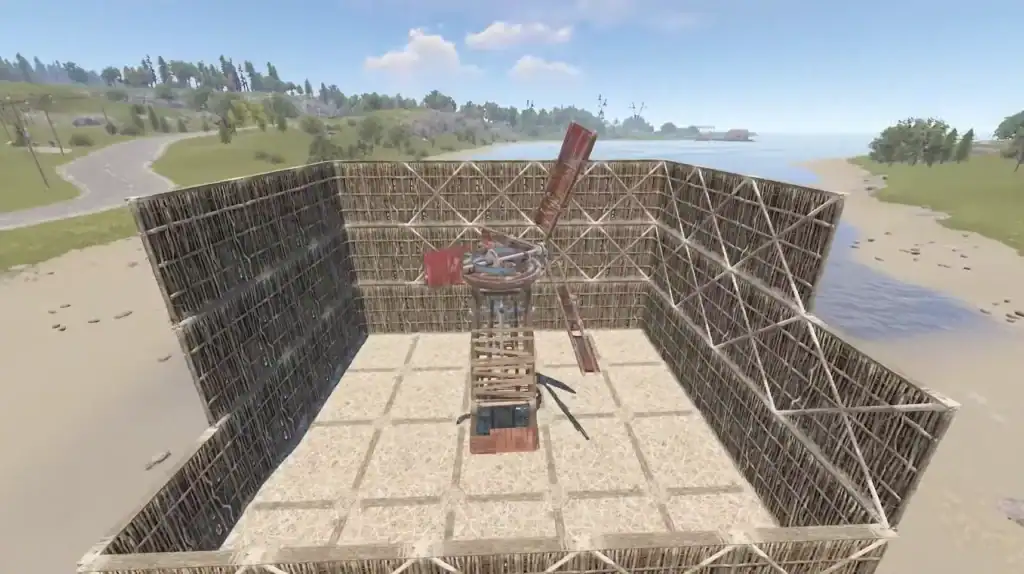
Wind turbines require unobstructed airflow. Placing them inside or too close to other structures, especially walls or large buildings, reduces efficiency. A clear radius of at least 5–10 meters around the turbine ensures maximum energy generation.
Roof and Tower Placement
Many players attach turbines to their base’s roof or on a standalone tower. Roof placement is convenient but can be limited by space and height.
Building a dedicated tower allows for optimal height and placement flexibility. Towers should have a solid foundation to prevent decay and protect from raiders.
Multiple Turbines and Spacing
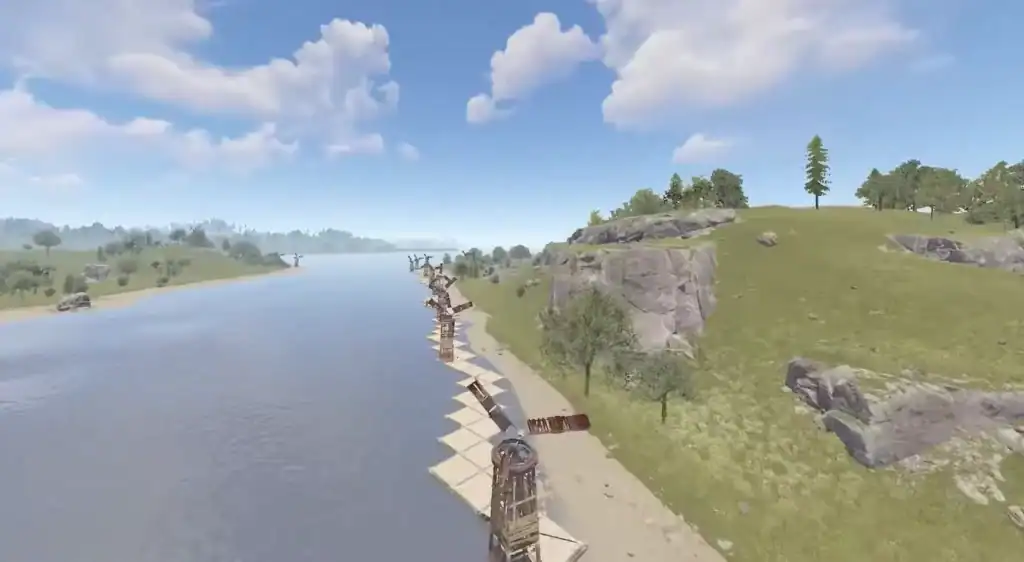
If you plan to run several turbines, spacing is essential. Place each turbine far enough apart to avoid turbulence interference.
A general rule is to separate turbines by at least 5–7 meters. Proper spacing ensures that each turbine operates at peak efficiency rather than being partially blocked by others.
Connecting to Your Base
After placing turbines, you need to wire them into your electrical network. Connect turbines to battery banks to store excess energy.
Use smart switches or splitters if you’re managing multiple turbines to distribute energy evenly. Turbines are silent compared to generators, so placing them near defenses or automated doors is less risky in revealing your base to other players.
Additional Tips
Turbines provide power at night, while solar panels excel during the day. A hybrid system ensures steady energy supply.
Turbines are visible and vulnerable. Build fences or towers to make them harder to destroy.
Rust maps vary, so experiment with different elevations to find the best wind spots for your turbines.
Summary
Wind turbine placement in Rust isn’t just about convenience. It’s about efficiency and security. High, open, and properly spaced locations maximize electricity generation and ensure your base’s systems run smoothly.
Combining height, clear space, and strategic wiring will keep your batteries full, your defenses powered, and your base running like a well-oiled machine.
Proper placement can mean the difference between a thriving, automated base and constant struggles with insufficient power.
FAQs
Where is the best location to place a wind turbine in Rust?
The optimal placement is on high ground such as hills, cliffs, or elevated platforms, where wind exposure is greatest and obstructions are minimal. Avoid valleys or areas surrounded by buildings and trees.
How far should multiple turbines be spaced apart?
Turbines should be spaced at least 5–7 meters apart to prevent turbulence interference and ensure each turbine operates at maximum efficiency.
Can I place a wind turbine inside my base?
Placing turbines inside or too close to structures reduces their output. Turbines work best in open spaces with a clear radius of 5–10 meters.
Do wind turbines produce electricity at night?
Yes, unlike solar panels, wind turbines generate power continuously as long as there is wind, making them reliable for nighttime energy needs.
How should I connect turbines to my electrical network?
Connect turbines to battery banks to store energy. Use splitters or smart switches when managing multiple turbines to evenly distribute electricity throughout your base.