

Weapon skins are one of the core progression and collection systems in Counter-Strike 2. Whether you are opening cases, trading, or building a themed inventory, understanding skin rarity is essential.
Rarity affects how often a skin drops, how expensive it is, and how desirable it becomes over time. CS2 continues the same rarity structure introduced in CS:GO, but with updated visuals and lighting that make rare skins stand out even more.
This guide breaks down the full CS2 skin rarity chart, explains the order, tiers, and ranks, and shows how rarity connects to value, demand, and drops.
Table of Contents
What Skin Rarity Means in CS2
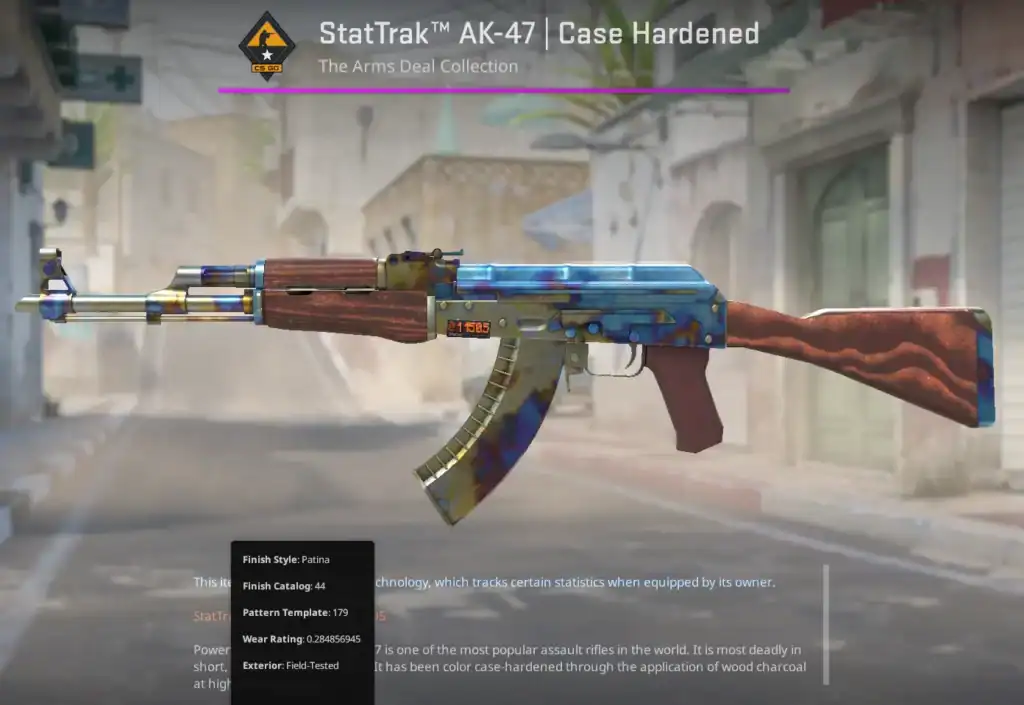
Skin rarity in CS2 defines how often a weapon skin can be obtained from cases, collections, or drops. The rarer the skin, the lower its drop chance and usually the higher its market value.
Rarity does not directly affect gameplay. All skins are cosmetic only. However, rarity heavily influences trading, collecting, and investment decisions.
Key factors influenced by rarity include:
How often a skin appears from cases, collections, or in game drops.
The average value of the skin on the Steam Community Market.
How frequently the skin is bought, sold, and traded by players.
The potential for the skin to gain value over time due to rarity and demand.
CS2 Skin Rarity Order (Lowest to Highest)
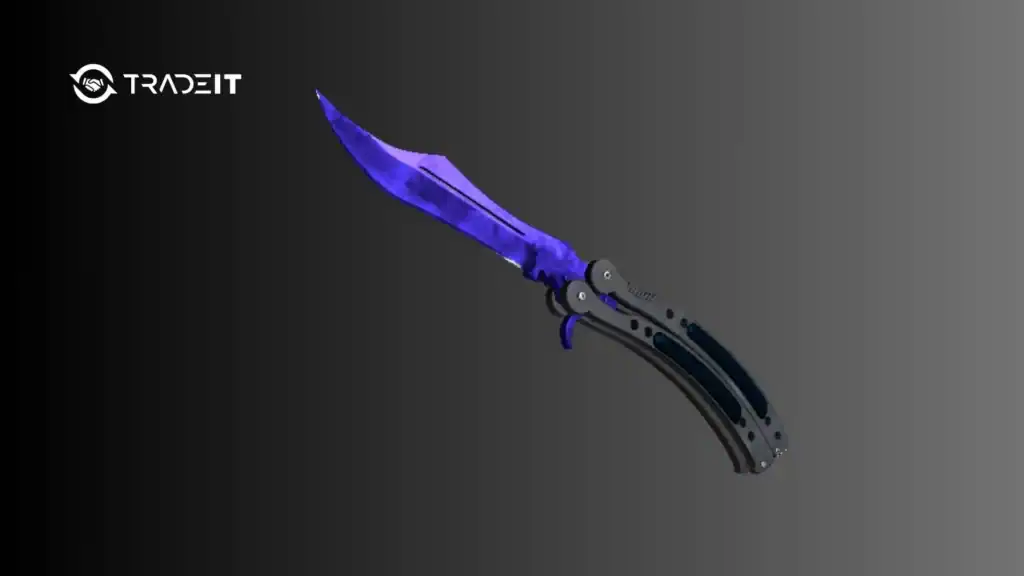
Below is the official rarity order used in CS2, from the most common to the rarest.
CS2 Skin Rarity List
Most common skins with very basic designs.
Slightly improved visuals, still very common.
Entry-level case skins with solid designs.
Lower drop rate with more detailed artwork.
Rare, expensive skins with standout visuals.
Extremely rare and highly valuable weapon skins.
Knives and gloves with ultra-rare drop rates.
This order applies to case skins, collection skins, and most in game drops.
CS2 Skin Rarity Chart
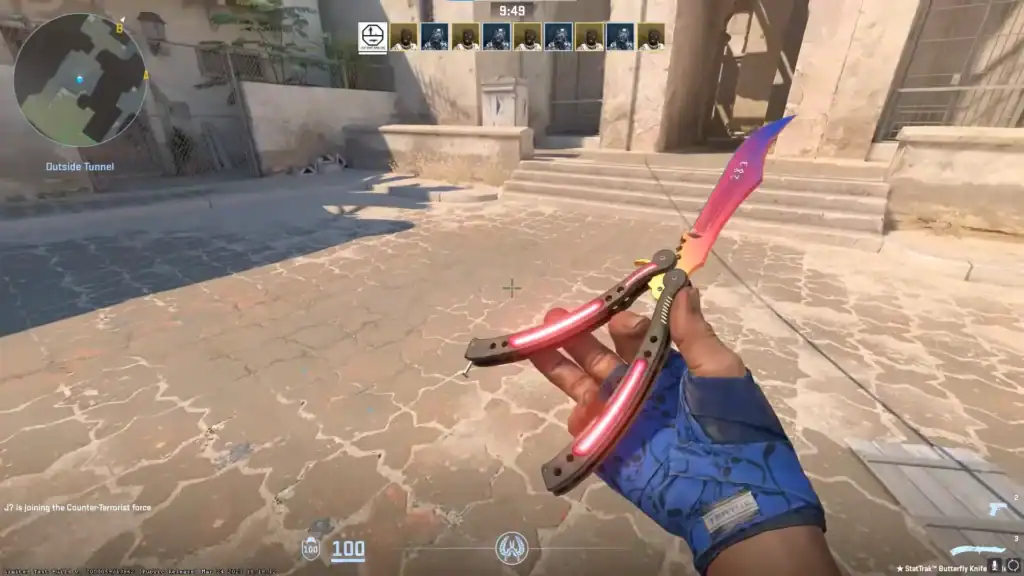
The table below shows the full rarity chart with colors, drop chances, and typical value ranges.
| Rarity Tier | Color | Common Drop Chance | Typical Value |
|---|---|---|---|
| Consumer Grade | Light Gray | Very High | Very Low |
| Industrial Grade | Light Blue | High | Low |
| Mil Spec Grade | Blue | Medium | Medium |
| Restricted | Purple | Low | Medium to High |
| Classified | Pink | Very Low | High |
| Covert | Red | Extremely Low | Very High |
| Extraordinary | Gold | Ultra Rare | Extremely High |
This chart represents general trends. Individual skins can break these rules due to demand, age, or popularity.
Detailed Breakdown of CS2 Skin Rarity Tiers
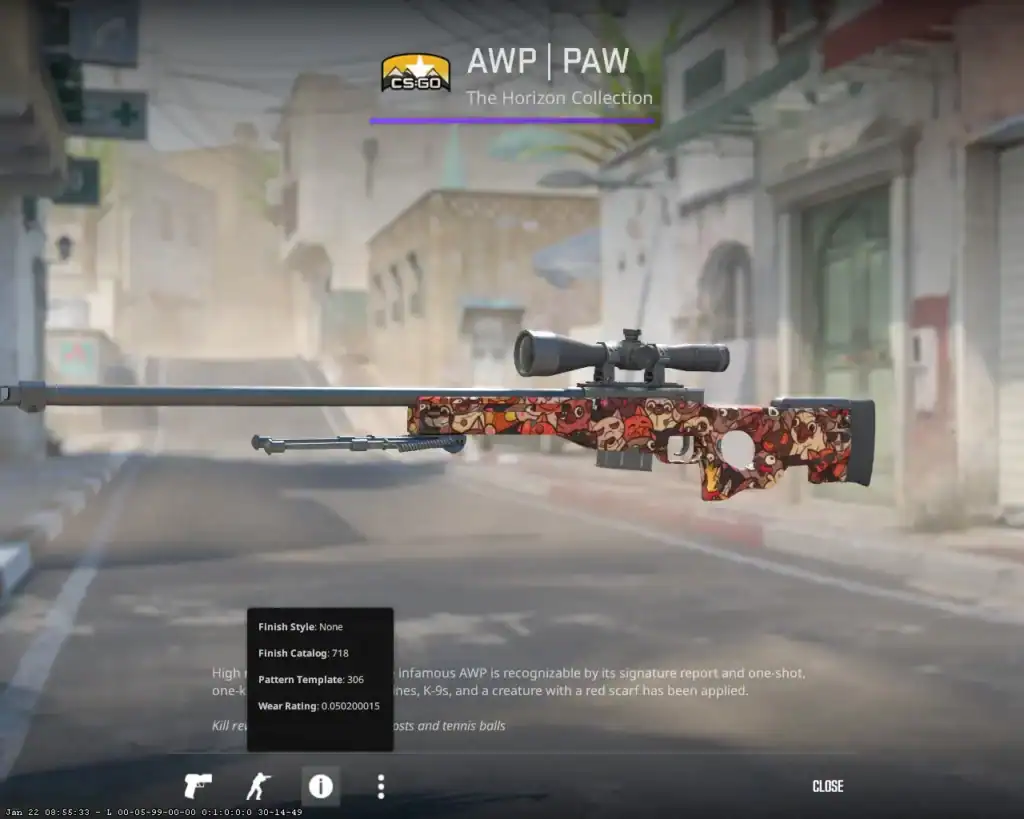
If you want to build a vast and valuable CS2 skin collection, these are the types of items you will inevitably come across:
Consumer Grade (Light Gray)
Consumer Grade skins are the most common in CS2. They usually drop from map collections and weekly drops.
Typical characteristics:
Simple visuals with little to no detailing or color variation.
Low complexity textures that keep the weapon clean and subtle.
Ideal for budget loadouts and new players building collections.
These skins are often used as filler or trade up materials rather than display pieces.
Industrial Grade (Light Blue)
Industrial Grade skins are slightly rarer but still very common.
Common traits include:
Noticeably cleaner finishes compared to Consumer Grade skins.
Additional texture and color elements without becoming flashy.
High drop rates keep these skins widely available and affordable.
They are frequently used in trade up contracts to reach higher tiers.
Mil Spec Grade (Blue)
Mil Spec skins mark the first tier that players actively seek out.
Why Mil Spec skins matter:
Accessible skins that introduce players to case openings and collections.
Noticeable upgrade in detail, color, and overall skin quality.
Low price point combined with strong demand and visual appeal.
Many popular budget skins belong to this tier.
Restricted (Purple)
Restricted skins represent a big jump in rarity and visual quality.
Key features:
These skins appear less frequently when opening cases.
Richer textures, patterns, and color combinations.
Consistent trading activity keeps prices stable or rising.
This tier is often considered the sweet spot for price versus appearance.
Classified (Pink)
Classified skins are rare, expensive, and visually striking.
What makes Classified skins special:
Extremely rare drops when opening cases or collections.
Strong prices driven by rarity, demand, and collector interest.
Some of the most recognizable and legendary skins in CS2.
Many famous skins that defined CS history are Classified tier.
Covert (Red)
Covert skins are the rarest standard weapon skins in CS2.
Characteristics include:
The rarest items in cases, appearing at a fraction of a percent.
Consistently sought after by players, traders, and collectors worldwide.
Often held for years due to scarcity and historical price growth.
This tier includes some of the most famous skins in Counter Strike.
Extraordinary (Gold)
Extraordinary rarity is reserved for knives and gloves.
Important points:
This tier includes special items rather than traditional gun skins.
Among the rarest items in the entire CS2 drop system.
Prices frequently exceed those of all standard skin rarities.
This tier represents the top of the CS2 cosmetic hierarchy.
Case Drop Odds Explained
Case drop odds follow a structured probability system. While exact numbers are not shown in game, community data has established reliable estimates.
Approximate Case Drop Chances
Around 80 percent drop chance.
Around 16 percent drop chance.
Around 3 percent drop chance.
Around 0.6 percent drop chance.
Roughly 0.25 percent drop chance.
These odds explain why higher rarity skins are so expensive.
Skin Wear and Float Ranks
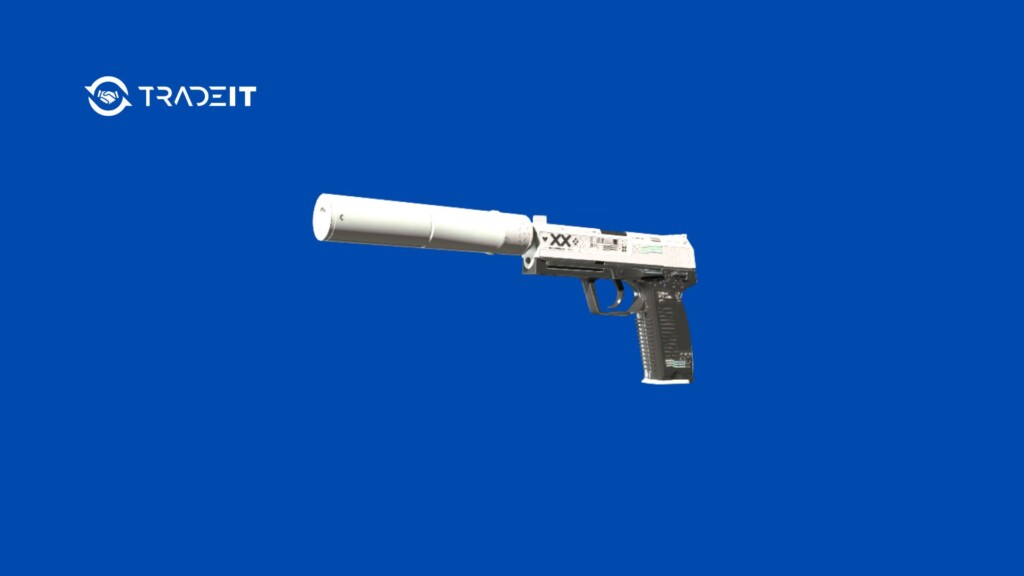
Rarity defines how hard a skin is to get. Wear defines how it looks.
CS2 Wear Levels
Lowest wear and highest visual quality.
Very clean with small imperfections.
Noticeable wear but still appealing.
Heavy wear with faded textures.
Maximum wear and lowest visual quality.
Each skin has a float value that determines its wear. Lower float usually means higher value.
Skin Rarity vs Wear: Which Matters More?
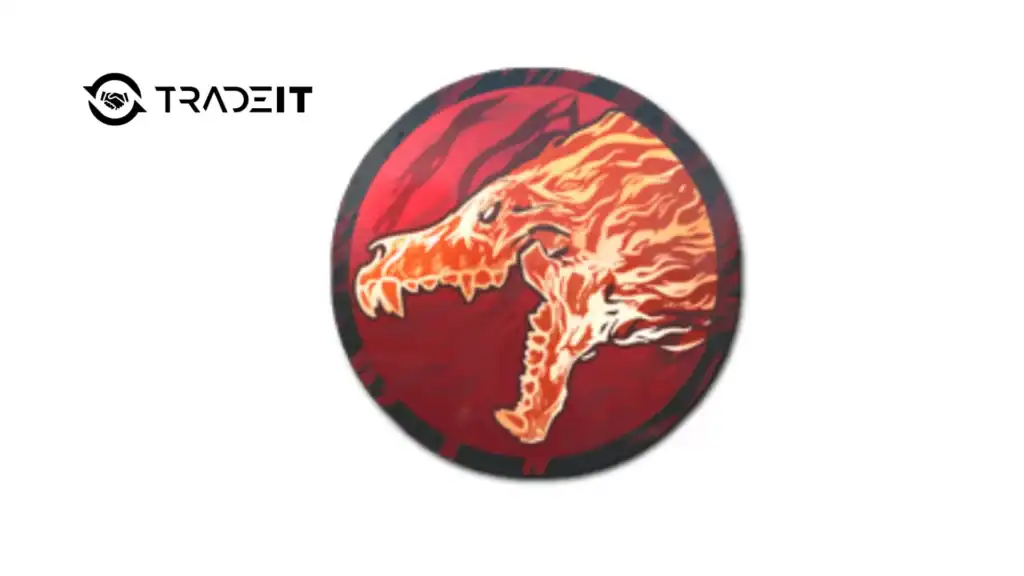
Both matter, but in different ways.
The less common a skin is, the fewer are available in the market.
The visual condition of a skin directly affects its look and appeal.
A rare skin with heavy wear can be cheaper than a common skin in perfect condition.
High rarity and low wear together create the most valuable items.
Trade Up Contracts and Rarity
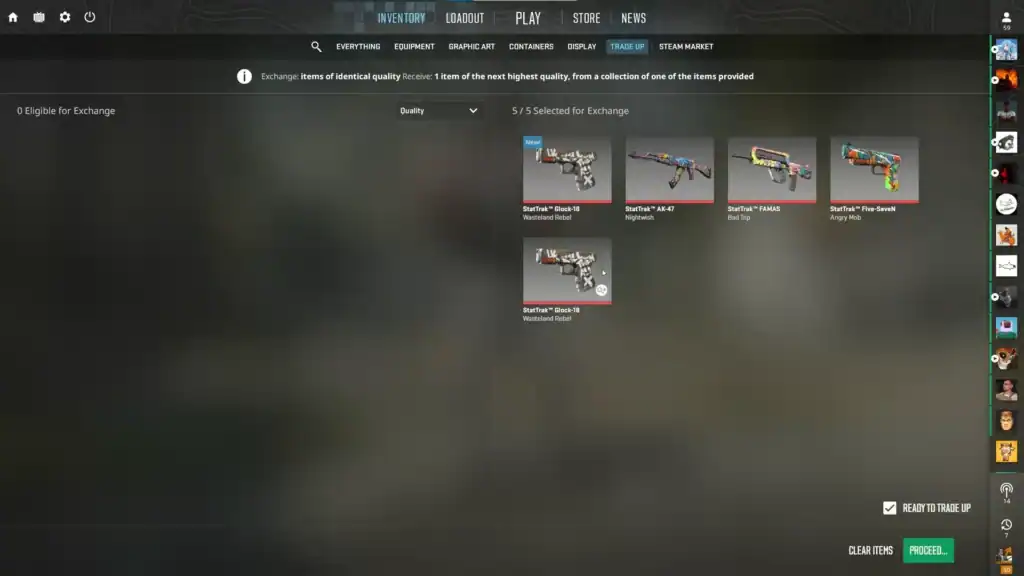
Trade up contracts allow players to exchange ten skins of the same rarity for one skin of the next tier.
Trade Up Rules
All ten skins must share the same rarity tier.
Resulting skin is one rarity tier higher.
Input collections affect possible outcomes.
Trade ups are a major reason why lower tier skins maintain consistent value.
Summary
The CS2 skin rarity system defines how skins are obtained, valued, and traded. From Consumer Grade all the way to Extraordinary, each tier plays a specific role in the economy.
Understanding rarity order, tiers, and ranks helps players make smarter decisions when opening cases, trading skins, or building a collection. Whether you aim for budget crafts or high end investments, knowing the rarity chart is essential in CS2.
FAQs
What is the rarest skin rarity in CS2?
Extraordinary rarity is the rarest and includes knives and gloves.
Does skin rarity affect gameplay?
No. All skins are cosmetic and do not change gameplay performance.
Are Covert skins always expensive?
Most are expensive, but price can vary based on popularity and wear.
Can Consumer Grade skins become valuable?
Some older collection skins can gain value over time, but most remain cheap.
Is rarity more important than wear?
For long term value, rarity usually matters more, but wear is still very important for appearance and price.