

When I first dove into Rust, one of the resources that really stood out to me was cloth. Whether you’re crafting clothing, bandages, or even rockets, cloth is essential. Let me walk you through how I efficiently gather cloth in the game.
Table of Contents
All Reliable Methods for Getting Cloth in Rust
| Method | How It Works | Notes / Tips |
|---|---|---|
| Harvesting Hemp Plants | Find green hemp plants in grassy areas and harvest them. Each plant gives raw hemp. | Convert raw hemp into cloth in your inventory. No workbench required. |
| Killing Hemp Rats | Attack hemp rats found near livestock and farm areas. They drop raw hemp when killed. | Best done with a bow or gun to conserve resources. |
| Recycling Items | Recycle items like tarps, tents, sleeping bags, bandages, or clothes at a Recycler. | This gives cloth and other components. Great for surplus or scavenged items. |
| Looting Crates & Barrels | Check crates, barrels, and loot boxes in monuments, outposts, or abandoned bases. Some contain cloth directly or recyclable items. | Always loot cautiously; some monuments are high-risk. |
| Trading with Other Players | Exchange scrap, metal, or other resources for cloth. | Helpful if hemp is scarce or you want a fast supply. |
Harvesting Hemp Plants
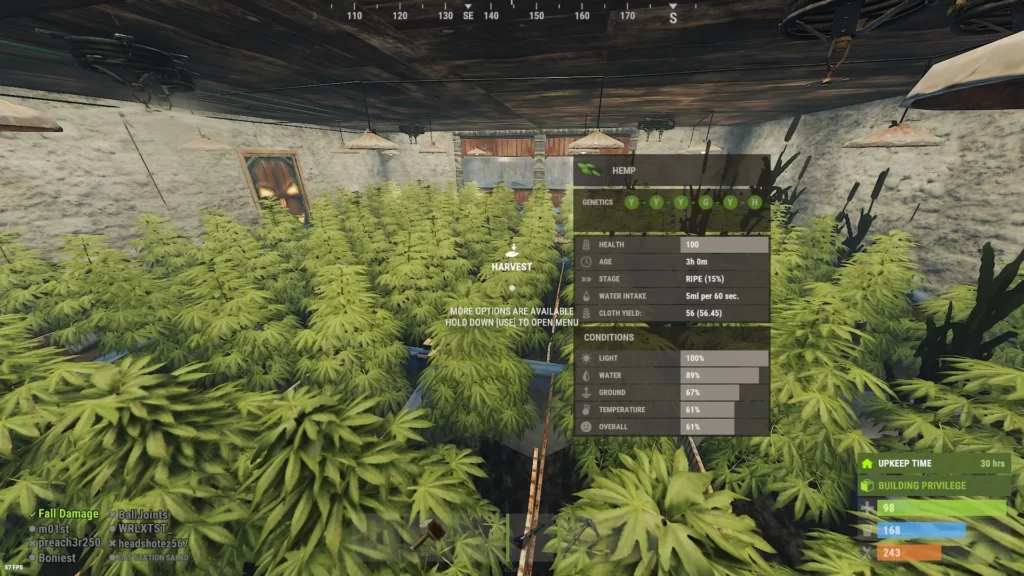
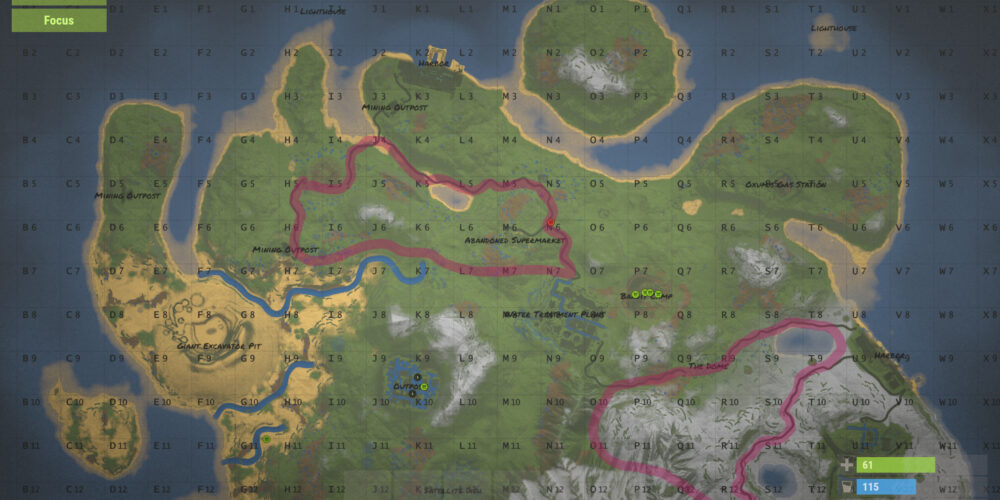
My go-to method for cloth is harvesting hemp plants. These green beauties are scattered all over the map, especially near forests and rivers. Here’s how I make the most of them:
Look for tall, green plants with distinct leaves. They’re easy to spot during the day.
Use a hatchet or pickaxe to gather hemp efficiently and maximize yield.
Collect hemp when fully grown for best results and respect respawn timers for a steady supply.
Hunting Animals for Hemp
Another reliable source to get cloth in Rust is hunting animals, particularly hemp rats. These critters drop hemp when defeated, providing a steady flow of cloth.
Set up near livestock areas where hemp rats are more frequent to maximize hunting opportunities.
Use a bow or rifle to hunt quickly while conserving ammunition and maximizing efficiency.
Collect and process hemp drops immediately to maximize your cloth gains from hunts.
Recycling and Looting
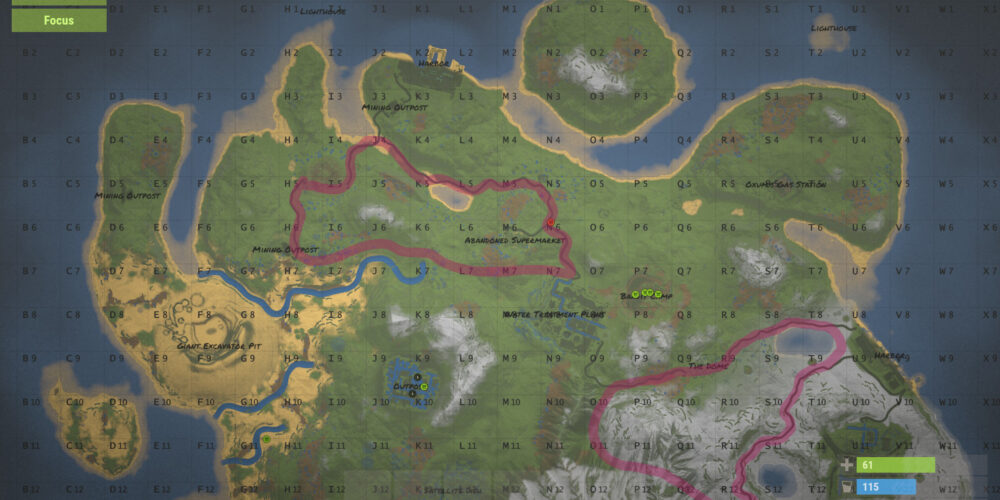
Sometimes, cloth can be found by recycling or looting existing structures and containers.
Recycle items like bandages or tents to reclaim cloth and reduce resource waste.
Check crates and barrels in monuments and outposts. Many contain cloth or items that can be broken down into cloth.
Trading with Other Players
Don’t underestimate the power of the Rust community. Trading can be a game-changer when you’re low on cloth.
Trade excess resources like scrap or metal fragments for cloth when needed to maintain your supplies.
Form alliances with other players to improve trading opportunities and secure resource-rich areas.
Automating Cloth Production
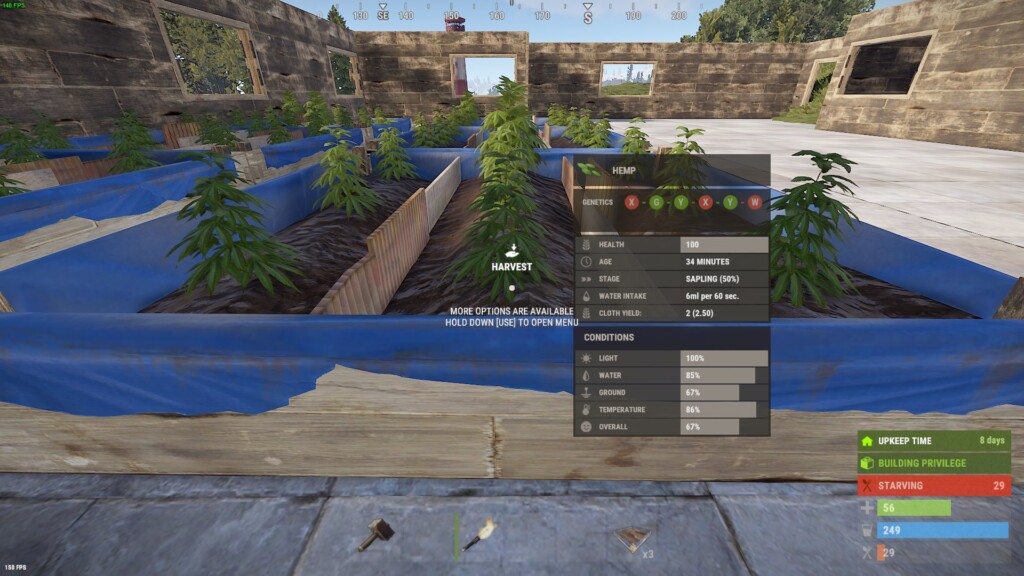
Once you’re a bit more established, automating cloth production can save you tons of time. Here’s how I set up efficient hemp farms:
a. Choosing the Right Location
I start by selecting a suitable location for my hemp farm. Ideally, it should be:
Close to the base to minimize travel time and make daily farm management easier.
Located near water and forests to ensure easy access to hemp plants and other materials.
Preferably within a fortified area to protect the farm from raids and theft.
b. Building Farming Plots
Next, I set up farming plots to cultivate hemp, for the grand purpose of getting cloth in Rust. Here’s the step-by-step process:
Use the Workbench to craft farming plots. Making several plots expands production capacity efficiently.
Arrange plots in a grid layout for organized management and efficient farming operations.
Plant hemp seeds in each plot, giving them enough space to grow. Seeds come from harvested plants or other players.
c. Watering and Maintenance
Hemp plants require regular watering to thrive. Here’s how I manage it:
Set up water sources like barrels or irrigation systems near farming plots. Connect them with pipes to automate watering.
Periodically inspect plants to ensure healthy growth. Remove weeds or debris that might hinder development.
d. Harvesting Hemp
Once the hemp plants are fully grown, it’s time to harvest:
Schedule harvesting during low-traffic times to avoid attracting unwanted attention from other players.
Using a hatchet speeds up harvesting. Gather all hemp before plants reset to maximize your yield.
Other Methods for Getting Cloth in Rust
If you want, you can also get cloth in unusual ways:
Cactus Method
Cacti spawn in desert or arid biomes. Players can harvest them for cloth using tools such as a hatchet, pickaxe, or spear.
This method is easy to access and has minimal competition. However, the yield is lower than hemp plants or hemp rats, making it more suitable for early-game cloth collection.
Outpost Glove Loop
At the Outpost, players can move in a circular pattern around animal spawn points, such as hemp rats or deer, to repeatedly collect cloth.
This technique allows fast and repeatable farming. The method works best on low-population servers but carries high PvP risk due to the busy location.
Summary
Gathering cloth in Rust doesn’t have to be a grind if you approach it strategically. By combining harvesting, hunting, recycling, trading, and especially automating your cloth production through well-organized hemp farms, I’ve managed to maintain a steady supply of cloth for all my crafting needs.
FAQs
1. What is the fastest way to get cloth in Rust?
The fastest method is harvesting hemp plants, which are commonly found in grassy areas and near roads. Each hemp plant yields cloth directly.
2. Can you get cloth without farming hemp?
Yes. Cloth can also be obtained by recycling items like tarps, sewing kits, and ropes at a Recycler, or by killing animals and harvesting them.
3. Does recycling clothes give cloth in Rust?
Most basic clothing items can be recycled into cloth, making looting and recycling an effective alternative if hemp is scarce.
4. Is farming hemp worth it long-term?
Absolutely. Hemp farming provides a steady, renewable supply of cloth and is ideal for crafting armor, medical items, and components.
5. Where are the best places to find hemp plants?
Hemp commonly spawns in grass biomes, along roads, and near rivers. Exploring early-game areas often yields plenty of plants.