
Counter-Strike 2 players have been speculating for years about the possible return of Cache, one of the most iconic maps in the history of competitive Counter-Strike.
Loved for its clean layout, balanced design, and unforgettable pro matches, Cache was removed from the official competitive pool during the CS:GO era.
With CS2 now firmly established and the big tournaments of 2026 approaching, rumors about Cache returning have intensified. The question remains simple but important for the community: is Cache finally coming back to CS2?
Table of Contents
The Current Status of Cache in CS2

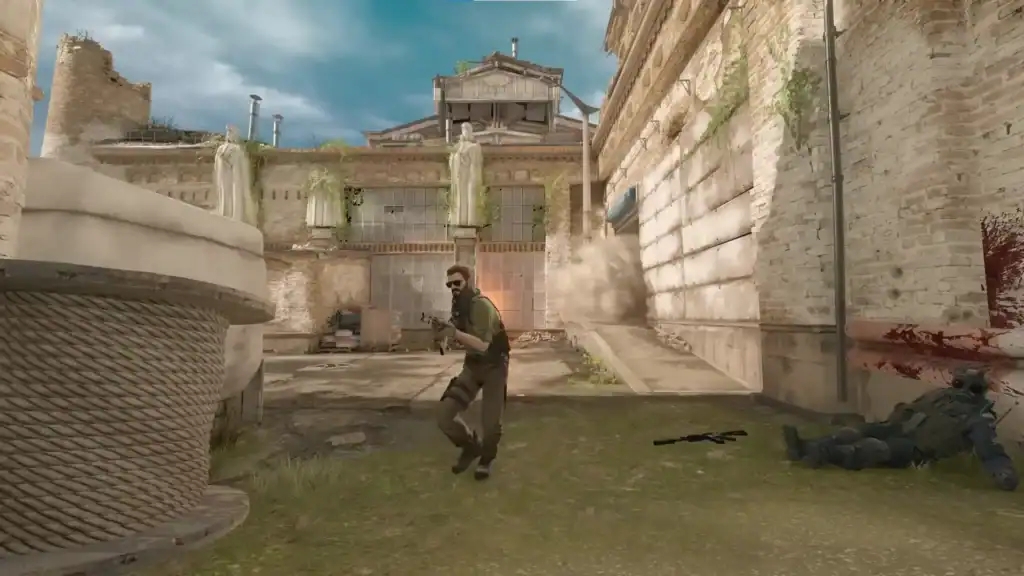
Cache already exists in Counter-Strike 2 in a playable form. In 2025, the map’s original creator released a full CS2 remake through the Steam Workshop.
This version updated lighting, textures, and overall visual fidelity while preserving the classic layout that players remember. Since then, thousands of players have tested the map in custom matches and community servers.
Shortly after the release, it became public knowledge that Valve contacted the map creator and purchased the rights to Cache.
This step alone fueled speculation, as Valve typically only acquires maps it intends to use officially. However, despite ownership and an available remake, Cache has not yet been added to standard matchmaking or the Premier competitive map pool.
Why the Community Believes Cache Will Return

The Counter-Strike 2 community has been vocal about its desire to see Cache return. Many professional players and analysts have stated that the map offers a rare balance between tactical depth and mechanical skill.
It supports aggressive rifling, structured executes, and creative utility usage, making it appealing both to casual players and professionals.
Another reason for optimism is Valve’s history. Several maps that were once removed eventually returned after visual overhauls and balance adjustments.
Cache fits that pattern well, especially now that it has been rebuilt specifically for CS2’s engine. The fact that Valve owns the map strongly suggests that its absence is a matter of timing rather than rejection.
Why Cache’s Return Matters
Cache holds a special place in Counter-Strike history thanks to its balanced design, strategic flexibility, and memorable competitive moments. For many, its absence from CS2’s map rotation has left a gap in tactical diversity. Its potential return promises:
Cache would introduce new tactical options for teams, encouraging creative executes, rotations, and utility usage.
Long-time Counter-Strike players would welcome the return of a classic map tied to many iconic moments.
Adding Cache would refresh the competitive scene and increase viewer interest through greater map variety.
Rumored Timing for a 2026 Release
As of now, Valve has not announced a release date for Cache in CS2. Still, several theories circulate within the community.
One popular belief is that Cache could first appear in non Premier competitive modes, allowing Valve to gather data on performance, exploits, and balance issues. This approach would align with Valve’s cautious development style.
Another theory connects Cache’s potential return to seasonal updates. CS2 Premier operates in seasons, and map pool changes often occur during season transitions.
There is also speculation that other classic maps may take priority. Some players believe Valve may rotate different legacy maps first before committing Cache to the main competitive pool. This uncertainty makes predicting an exact timeline difficult.
Where Things Stand as of 2026
Here’s a snapshot of the official and unofficial status:
Cache is fully remade for CS2 and available through the Steam Workshop for community play.
Valve has purchased the rights to Cache, allowing full control over updates and official integration.
Cache has not been added to the official Active Duty or Premier matchmaking rotation.
Valve has not announced when or if Cache will officially return to CS2 matchmaking.
What Is Still Missing for an Official Return
While the groundwork is in place, several elements may still be holding Cache back. Competitive maps must meet strict standards for visibility, performance, and balance.
Even small issues such as pixel gaps, lighting inconsistencies, or utility exploits can delay official adoption.
Valve may also be evaluating how Cache fits into the current meta. CS2’s gameplay pacing, smokes, and economy differ slightly from CS:GO, and the developers may want additional adjustments before approving the map for professional play.
Conclusion
So, is Cache coming to CS2 in 2026? The most honest answer is that it remains uncertain.
The map exists, Valve owns it, and community interest is extremely strong. At the same time, there has been no official confirmation or roadmap announcement. What is clear is that Cache is closer to returning than ever before.
If Valve decides the map meets competitive standards and fits into the evolving CS2 ecosystem, 2026 could very well be the year players see Cache return to official matchmaking. Until then, the rumors continue, and the community waits.
FAQs
1. Is Cache officially confirmed to return to CS2 in 2026?
No, Valve has not officially confirmed Cache for CS2 in 2026. While the map exists and Valve owns the rights, there has been no formal announcement about its return to official matchmaking or the Premier map pool.
2. Can players already play Cache in CS2?
Yes, Cache is playable through the Steam Workshop and on community servers. However, it is not available in standard competitive matchmaking or Premier mode.
3. Why did Valve buy the rights to Cache?
Valve typically purchases maps it sees long-term value in. Owning the rights allows Valve to update, modify, and potentially integrate Cache into CS2 without relying on third-party creators.
4. Why is Cache not in the Premier map pool yet?
Competitive maps must meet strict performance, balance, and visibility standards. Valve may still be testing the map or adjusting it to fit CS2’s gameplay mechanics before adding it to official competition.
5. What would Cache’s return mean for competitive CS2?
Cache’s return would add strategic variety, revive a fan-favorite map, and potentially change team preparation and map veto strategies at both amateur and professional levels.