
Building the right base is essential when playing with just one teammate in Rust. A duo base needs to balance several important factors: strong defense, efficient use of space, manageable upkeep costs, and enough storage for two active players.
Unlike large clan compounds, duo bases must stay compact while still providing protection against raids.
The following three base designs are among the most popular options for duo teams because they are practical, secure, and relatively easy to build during a wipe.
Table of Contents
1. The Compact Honeycomb Base
The compact honeycomb base is one of the most reliable designs for duo players. It usually starts as a simple 2×1 base but quickly expands with triangle foundations and honeycombing to strengthen the outer walls.
The basic blueprint includes a central tool cupboard room, one or two loot rooms, and a small bedroom area with sleeping bags. Around this core, triangle foundations are placed to create honeycomb layers that increase the raid cost for enemies.
Key features of this design include:
Extra triangle walls increase raid cost and provide stronger overall base defense.
The compact design maximizes storage and utility while keeping the footprint small.
Walls and key structures can quickly be upgraded from stone to metal for better protection.
The straightforward layout allows players to build the base quickly during the early stages of a wipe.
The honeycomb base is ideal for players who want a dependable structure without complicated building techniques. Even if raiders break through the outer walls, they still need to go through additional layers before reaching the core.
Because of its compact size, this design also keeps upkeep costs relatively low, which is important when only two players are farming resources.
2. The 2 by 2 Expansion Base
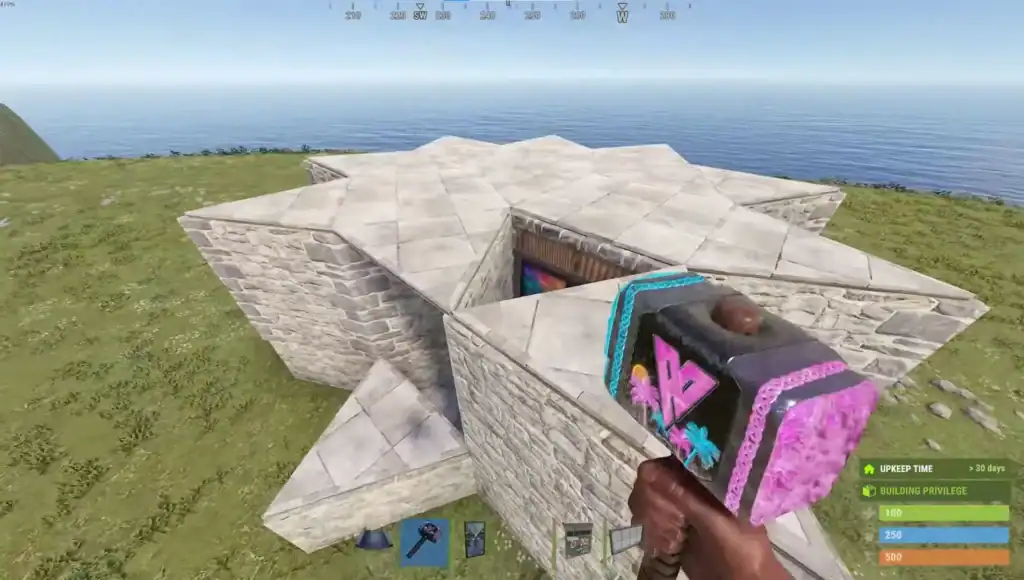
The 2×2 base is another extremely popular design for duo teams in Rust. It offers more interior space than the 2×1 design while still remaining manageable for a small group.
This base starts with four square foundations arranged in a 2×2 layout. The tool cupboard is usually placed in the center room, while the other rooms are used for storage, crafting, and sleeping areas.
Players often add several important defensive upgrades:
Additional outer wall layers increase raid cost and protect the core of the base.
Strong garage doors along the main entrance make it much harder for raiders to reach the core.
Roof access allows players to defend the base and fight back against attackers during raids.
Windows or shooting positions give defenders better angles to repel raiders.
One of the biggest advantages of the 2×2 design is its expandability. You can easily add extra floors, roof peaks, or additional honeycombing as the wipe progresses and you collect more materials.
The extra space also allows you to store more loot, place additional furnaces, and set up crafting stations without overcrowding the interior.
Because of its balance between defense and interior room, the 2×2 expansion base is often considered one of the best designs for duo players who expect to play throughout the entire wipe.
3. The Bunker Duo Base
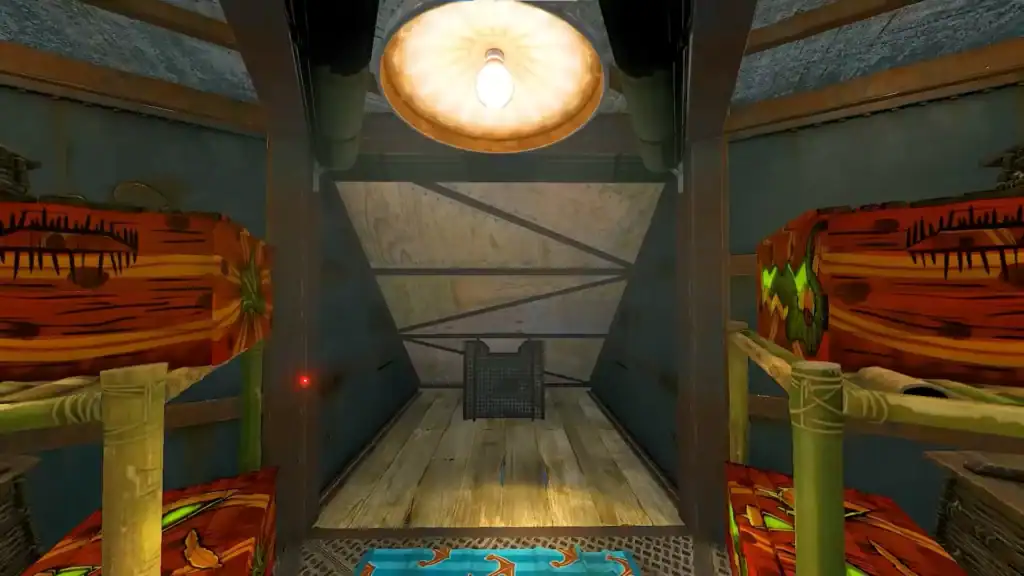
For players who prioritize security above everything else, the bunker duo base is an excellent option.
Bunker bases use building mechanics to create hidden or sealed entrances that can only be opened from inside. When the bunker is closed, raiders must destroy additional walls or foundations to reach the base core.
A typical bunker design includes:
A hidden bunker entrance using a roof or half-wall trick prevents raiders from easily following the door path.
The central area holds the tool cupboard and main loot, protected by multiple defensive layers.
Several garage doors along the main entrance significantly increase the cost of raiding through doors.
Extra outer layers reinforce the base and force raiders to use more explosives to reach the core.
This design dramatically increases the raid cost because attackers cannot simply follow the door path. Instead, they must destroy high-tier building pieces to access the main loot room.
The bunker duo base requires a bit more building knowledge than the previous designs, but it offers significantly better protection against offline raids.
Many experienced players prefer bunker bases because they allow small teams to compete against larger groups that may try to raid them.
Summary
Choosing the right base design can make a huge difference when playing as a duo in Rust. The compact honeycomb base offers simplicity and reliability, the 2×2 expansion base provides space and flexibility, and the bunker duo base focuses on maximum defense.
Each of these designs works well for two players and can be adapted depending on your resources, location, and playstyle during the wipe.
FAQs
What is the best base size for a duo in Rust?
Most duo teams prefer starting with a 2×1 or 2×2 base. These layouts provide enough room for storage, crafting stations, and sleeping areas while keeping the structure compact and affordable to maintain.
Why is honeycombing important in Rust base design?
Honeycombing adds extra layers of walls around the core of a base. This increases the number of explosives required for raiders to reach the main loot room, making your base significantly harder and more expensive to raid.
Are bunker bases worth building for duo players?
Yes, bunker bases are very effective for small teams. They create sealed entrances that force raiders to destroy additional building pieces instead of simply following the door path, greatly increasing raid costs.
How can duo players reduce base upkeep?
To keep upkeep manageable, duo teams should avoid building overly large bases and focus on efficient designs. Using compact layouts, upgrading only important structures to higher tiers, and avoiding unnecessary floors can help reduce resource costs.
What is the safest place to store loot in a Rust base?
The safest place for loot is usually near the core of the base, close to the tool cupboard and behind several doors or walls. Splitting loot into multiple rooms also helps reduce losses if raiders manage to break into one section of the base.