

Underwater Labs are one of Rust’s most lucrative and dangerous monuments. Hidden beneath the ocean surface, these modular facilities combine high-tier loot, PvE combat, and PvP tension into a single hotspot.
Whether you’re a solo diver or part of a coordinated group, mastering Underwater Labs can massively accelerate your progression.
Table of Contents
What Are Underwater Labs?
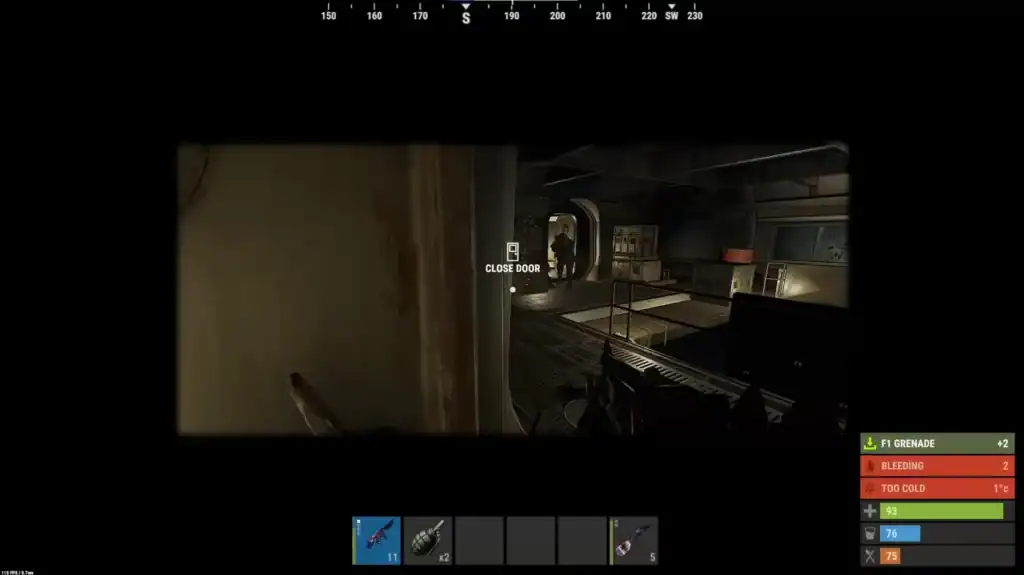
Underwater Labs are procedurally generated monuments located deep underwater, usually off the coast.
Each lab is made up of multiple connected modules, meaning no two labs are exactly the same. Some are small and quick to clear, while others are sprawling complexes with multiple loot rooms and choke points.
You access them by diving down with scuba gear or submarines, then entering through airlocks that lead into pressurized interiors. Once inside, the environment shifts from open water to tight corridors, flooded rooms, and dry sections filled with loot crates.
Loot You Can Expect
Underwater Labs are considered high-tier monuments, especially early to mid-wipe. They can rival Oil Rig in value if fully cleared and uncontested.
Common rewards include:
Includes military crates, elite crates, and locked crates with high-tier loot.
Tier 2 and Tier 3 weapons along with essential crafting components.
Scrap, HQM, tech trash, and rare electrical parts to advance your base.
Unlock special rooms with keycards and fuses in certain lab layouts.
Because the layout is randomized, loot density can vary a lot. Some labs are worth a quick hit, while others justify extended farming runs.
Enemies and Hazards
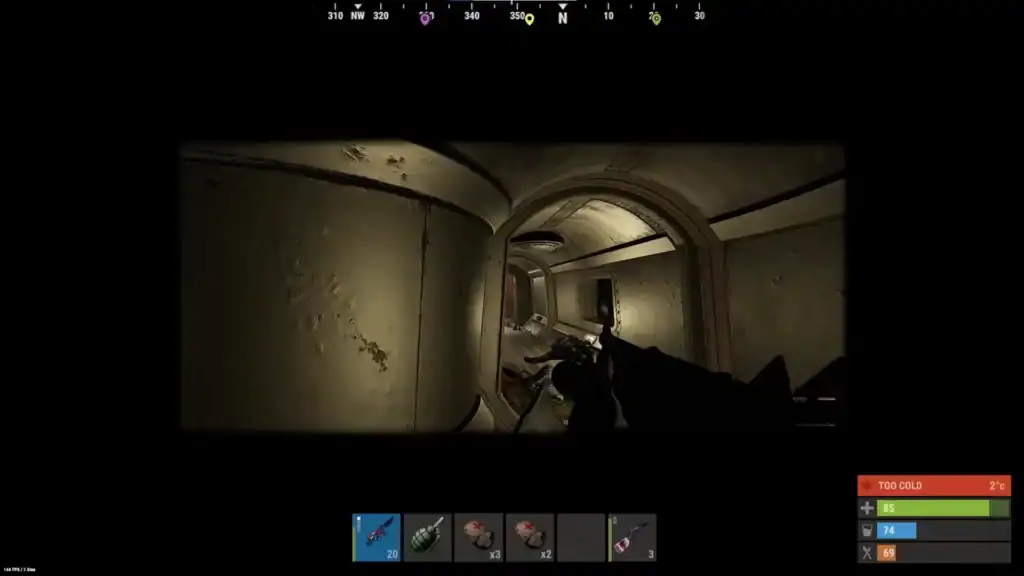
The primary PvE threat inside Underwater Labs is scientists. These are similar to Oil Rig scientists but usually slightly less aggressive, depending on the module. They wield SMGs and rifles and can overwhelm unprepared players in tight spaces.
Environmental hazards matter just as much. Flooded rooms force you to manage oxygen, while narrow hallways make repositioning difficult. Sound also travels far, so gunfire often attracts other players nearby.
Key dangers to watch for:
Scientists holding doorways and stairwells can halt progress and deal heavy damage.
Few exits make it risky if another team decides to push during your run.
Players outside the lab may ambush you while surfacing or swimming nearby.
Running out of low-grade fuel or oxygen mid-run can force an early exit or death.
How to Prepare Before Going

Preparation is the difference between a profitable run and losing everything. You don’t need endgame gear, but going in under-equipped is a mistake.
Bring the essentials:
Scuba tank, goggles, flippers, and a wetsuit to safely access the lab.
A reliable mid-range weapon such as a SAR, SMG, or Thompson.
Medical syringes and bandages to survive extended fights.
Extra low-grade fuel if you’re traveling by submarine.
A melee tool or suppressed weapon if you want to stay quiet.
A solo player should prioritize speed and stealth, while groups can afford to clear more aggressively.
PvP Strategy and Control
Underwater Labs are prime PvP locations because of their value and limited entry points. Teams often camp the surface or patrol nearby in submarines. Expect third parties, especially during peak hours.
Smart tactics include clearing fast, listening carefully, and avoiding predictable exits. Surfacing far from the lab or stashing a boat nearby can save your run. If you control the area, labs can be farmed repeatedly with minimal resistance.
Is It Worth It?
Absolutely. Underwater Labs offer one of the best risk-to-reward ratios in Rust when approached correctly.
They’re less contested than Oil Rig but can still provide comparable loot, especially early wipe. For players willing to learn the layouts and manage the underwater mechanics, they’re a powerful progression tool.
Summary
Once you’re comfortable with diving, oxygen management, and scientist combat, Underwater Labs become a consistent and reliable source of high-tier gear, and a magnet for intense Rust encounters.
FAQs
1. Do Underwater Labs always require keycards?
No. Most Underwater Labs do not require keycards, but some layouts include keycard rooms that offer extra loot if you have the correct card and a fuse.
2. Can solo players realistically clear Underwater Labs?
Yes. Smaller labs are very solo-friendly, especially if cleared quickly and quietly. The main challenge is avoiding third-party players rather than the scientists themselves.
3. What is the best time to run Underwater Labs?
Early wipe and off-peak hours are ideal. Fewer players means less PvP pressure, making it easier to clear and extract safely.
4. Are Underwater Labs better than Oil Rig for loot?
They can be. While Oil Rig has more consistent high-tier rewards, Underwater Labs are less contested and can be more efficient depending on the layout.
5. Do scientists respawn inside Underwater Labs?
Yes, but not immediately. Scientists will respawn after a cooldown, allowing labs to be farmed periodically if you control the surrounding area.