

Steam trading has become increasingly popular, but it has also attracted sophisticated scammers.
One of the most dangerous threats is the Steam API scam, which tricks users into unknowingly giving attackers access to their trades.
Understanding how a Steam API key scam works is the best way to keep your skins and account safe.
What Is a Steam API Scam?
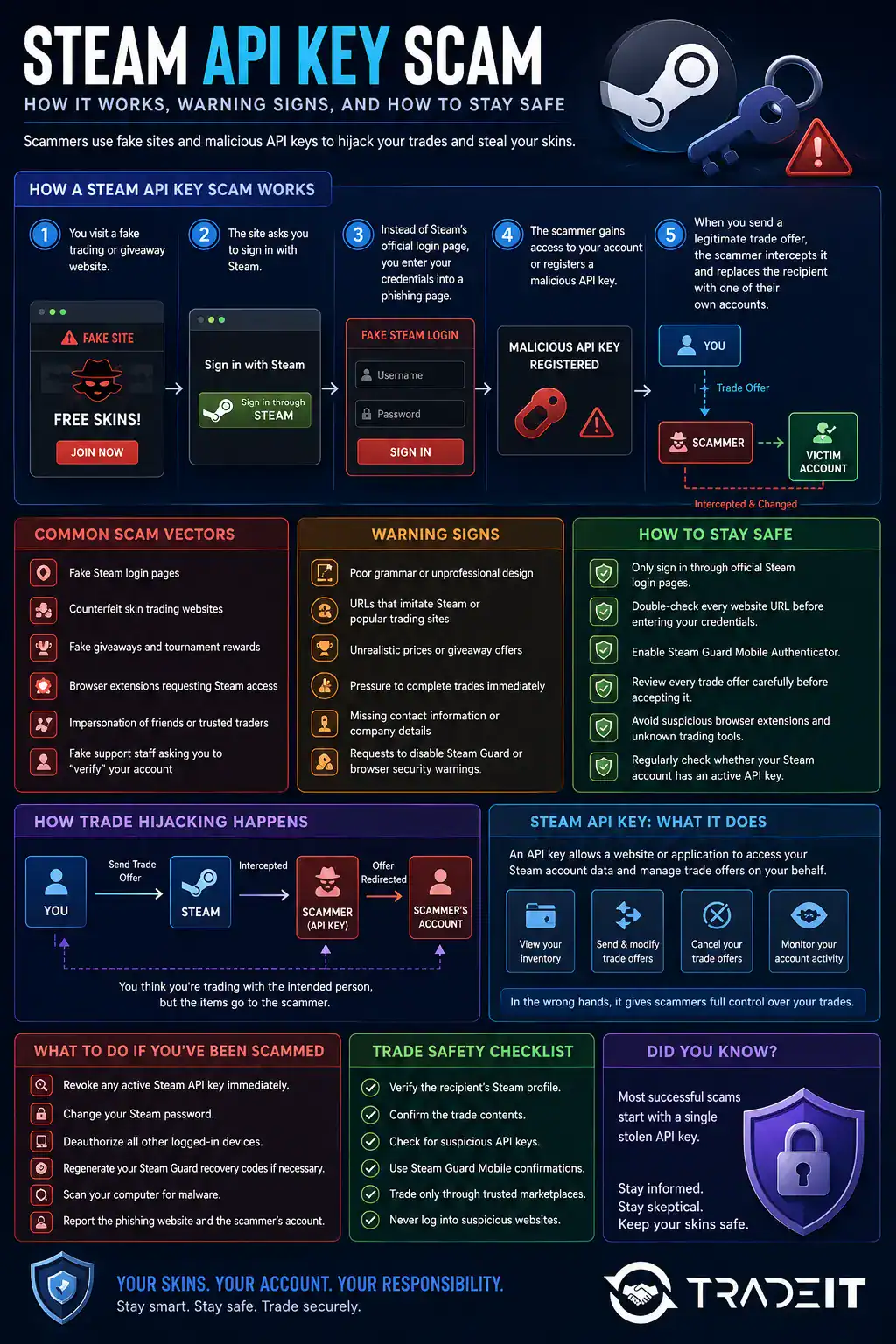
A Steam API scam is a phishing attack that abuses Steam’s Web API. Instead of directly stealing your password, scammers convince you to log into a fake Steam page or authorize a malicious API key.
Once they gain access, they can monitor and manipulate your trade activity. Unlike traditional scams, Steam API scams often remain unnoticed until valuable items such as rare CS2 skins disappear from your inventory.
How Steam API Scams Work
Most Steam API scams follow the same pattern:
Many victims only realize they’ve been targeted after accepting what appears to be a legitimate trade.
Trade with confidence on Tradeit. Buy, sell, and exchange CS2 skins on a trusted marketplace built for safe and secure trading. →
Browse CS2 SkinsHow to Check Your Steam API Key
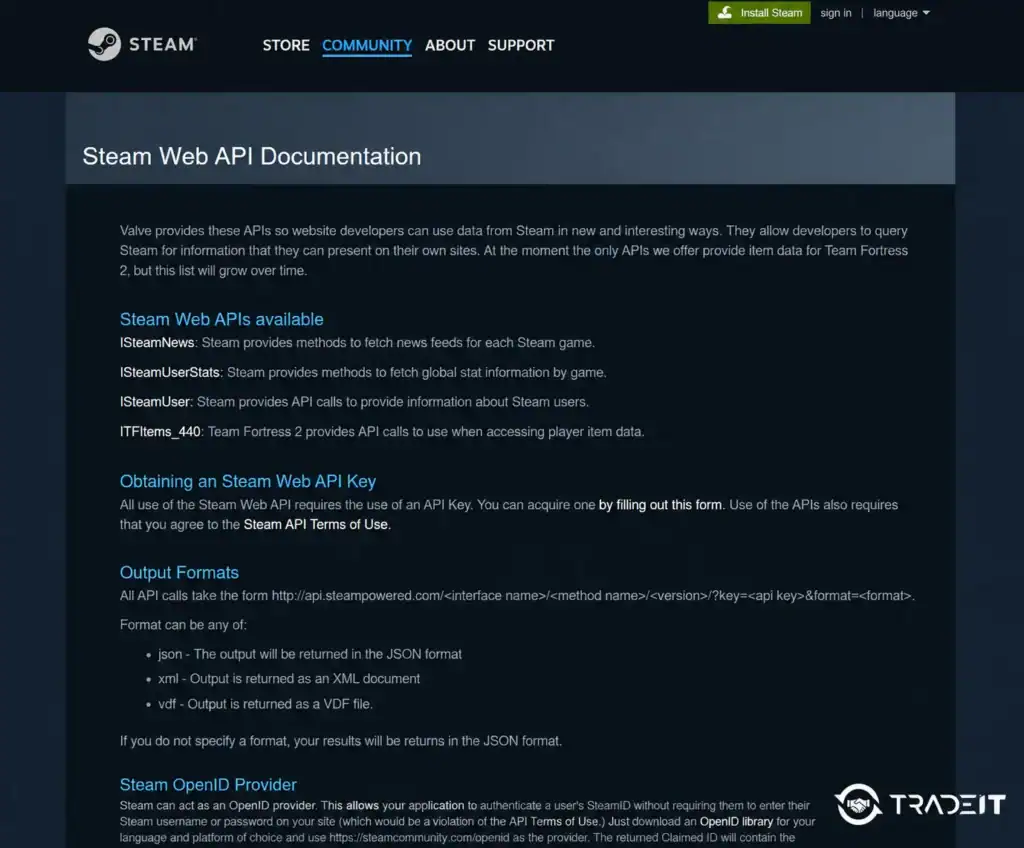
The easiest way to check for unauthorized API access is to visit the official Steam Web API Key page while logged into your Steam account.
If you have never created an API key but one appears on your account, revoke it immediately. If no API key exists, Steam will simply show that no key has been registered.
Common Steam API Scam Methods
Scammers constantly adapt their tactics, but the most common methods include:
Signs a Steam Trading Site Is Fake
Before logging into any trading platform, look for these warning signs:
How to Avoid Steam API Scams
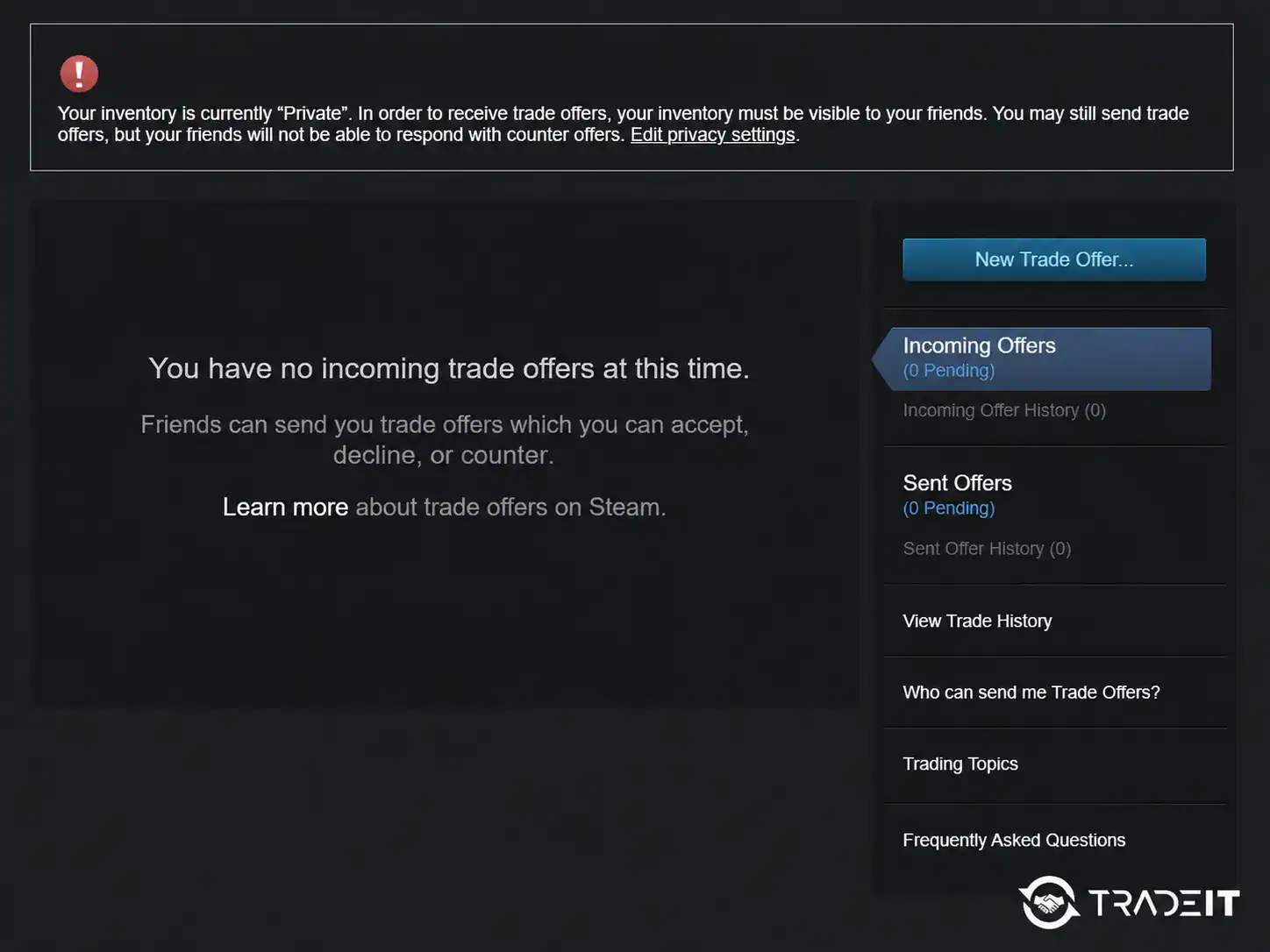
Protecting yourself is much easier than recovering stolen skins. Follow these best practices:
What to Do If You Got API Scammed
If you believe you’ve been affected by a Steam API key scam:
Taking action quickly can help prevent additional losses.
Steam API Scam vs Session Hijacking
Although both attacks target Steam users, they work differently. A Steam API scam usually involves unauthorized API access that manipulates trades, while session hijacking steals your active login session using cookies or malware.
Session hijacking often gives attackers full account access without requiring your password.
Can Steam Recover Stolen Skins?
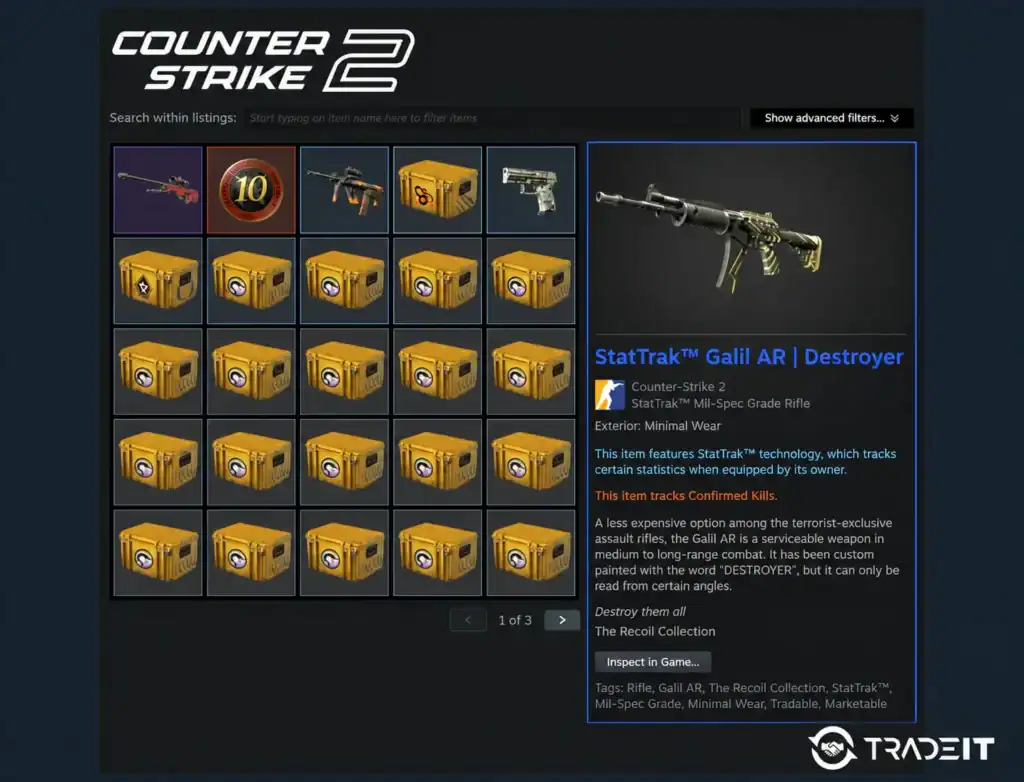
In most cases, Valve does not restore skins lost through scams or unauthorized trades. Steam Support investigates reports of compromised accounts, but completed trades are generally considered final. This makes prevention far more important than recovery.
Safe Steam Trading Checklist
Before every trade, remember to:
Following this checklist significantly reduces the risk of becoming a victim of a Steam API scam.
FAQs
What is a Steam API scam?
A Steam API scam is a phishing attack that abuses Steam’s Web API to intercept or manipulate trades, often replacing the intended recipient with a scammer’s account.
How do I know if I have a Steam API key?
Visit Steam’s official Web API Key page while logged into your account. If an API key is listed that you didn’t create, revoke it immediately.
Can Steam Support return stolen skins?
Generally, no. Valve rarely restores items lost through scams or fraudulent trades, making prevention essential.
Is every Steam API key dangerous?
No. Developers legitimately use Steam API keys for applications and websites. The risk comes from unauthorized or malicious API keys created without your knowledge.
Can Steam Guard stop a Steam API scam?
Steam Guard greatly improves your account security, but it cannot prevent every Steam API scam. Always verify trade offers and avoid logging into fake Steam websites.